Learning & Development

BVRLA Case Studies

BVRLA Client Case Studies

Explore real-world examples of how BVRLA members are driving innovation and achieving outstanding results across the automotive industry. Our case studies highlight practical solutions, strategic insights, and measurable outcomes, showcasing best practices that can help elevate your business and empower your learners to reach the next level

Case Study
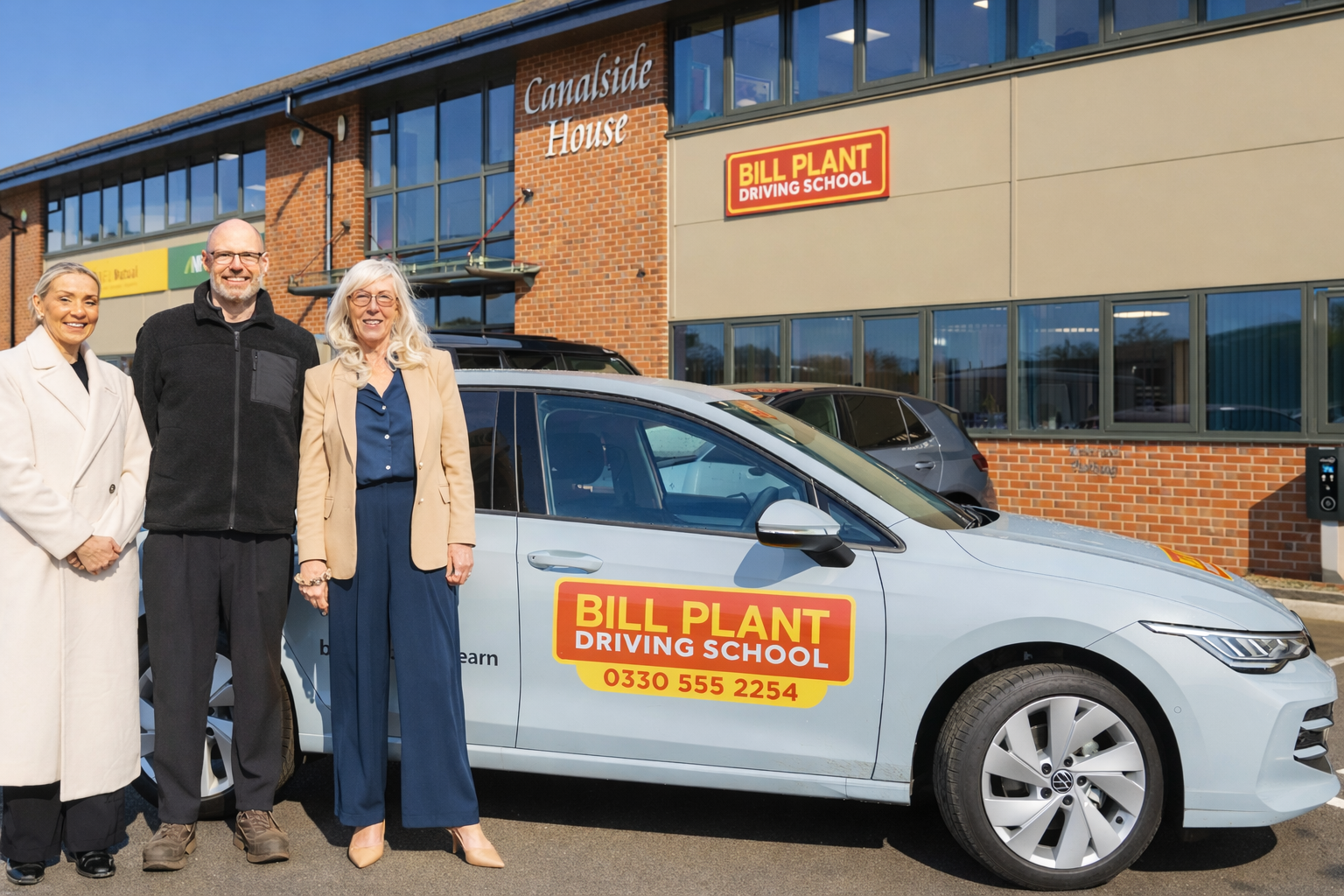
Bill Plant
Bill plant Driving School 2026

Bill plant Driving School  2026 

BVRLA delivered in-person Fair Wear and Tear training on site in 2026. The course was fully bespoke and tailored to their business needs.

About the Company 

 a Yorkshire-based National Driving School that provides tuition to learner drivers and trainee instructors. Our instructors take a franchise with us that provides them with access to their market-leading tuition vehicle, pupil supply, and support to build their skills and business. We are proud to be the ‘National Driving School of the Year’ for the last 3 consecutive years, as well as winning awards as National Training Provider and being recognised at multiple Fleet News Awards in the Fleet of the Year and Fleet Safety categories. We also partner with BRAKE and RoSPA on various initiatives and certifications to further promote continued learning and road safety.

http://www.billplant.co.uk     

https://www.billplant.co.uk/contact-us/

Challenges

A detailed review of vehicle returns inspections identified several areas where greater consistency and structure were needed to protect cost recovery and maintain high inspection standards. Benchmarking against leasing company inspector reports showed that, although best-practice examples were available, internal assessments did not always reflect the full severity or correct classification of damage. This occasionally resulted in undercharging. For instance, alloy wheel damage that met replacement thresholds was at times recorded as repair-only, reducing potential recovery. In addition, supporting evidence was not always as robust as it could be, with some on-site images missing measurement references needed to clearly evidence damage size and severity. In one case, this equated to around £750 in unrecovered costs and highlighted that existing damage waivers were not being fully utilised.

The review also showed variation in the depth of inspections between exterior and interior checks. While exterior damage was generally well documented, interior condition assessments were sometimes less comprehensive. This created the risk of missing items such as cigarette burns, broken vents, or damaged visors. Interior checks often focused on cleanliness, mileage, and removal of personal belongings rather than a structured condition-led review.

Vehicle handovers also presented practical challenges. Inspectors were not always able to carry out inspections with sufficient time or minimal interruption, particularly when instructors were present. This could make it more difficult to follow a consistent routine and capture clear, objective evidence.

 Overall, these findings reinforced the importance of a clear, repeatable inspection process, consistent application of industry standards, and the confidence to uphold assessments when queried. Strengthening these areas was recognised as essential to improving accuracy, fairness, and financial outcomes.

The solution
 Partnering with the BVRLA on this project delivered clear commercial and operational benefits. By investing in industry-leading Fair Wear and Tear training, we equipped our team to accurately identify and assess vehicle condition, reducing unnecessary costs from disputed or previously overlooked damage. Our staff are now trained to a high standard, with the knowledge and confidence to spot, assess, and manage damage consistently and professionally. This has strengthened decision-making, improved the quality of customer interactions, and created a more transparent and fair process for all parties. Being BVRLA-aligned also demonstrates our commitment to best practice and allows us to operate to recognised industry standards, reinforcing credibility and setting a high benchmark for vehicle return assessments.

Outcome

Following the delivery of BVRLA’s bespoke, on-site Fair Wear and Tear training, the business achieved a step change in the quality, consistency, and commercial effectiveness of its vehicle return process. Inspectors now work to a clear, industry-recognised framework, enabling more accurate and confident assessments that align with BVRLA standards.

This has translated directly into stronger cost control and improved damage recovery. By correctly distinguishing between fair wear and chargeable damage, the team is now capturing costs that may previously have been missed or under-assessed. More robust evidence gathering including better use of measurement references and structured inspection routines has strengthened the defensibility of decisions and reduced ambiguity in damage discussions.

 The impact is not only financial but operational. Inspections are more consistent across the fleet, handovers are handled more professionally, and conversations with instructors are clearer and evidence based. This supports a fair and transparent culture while protecting valuable fleet assets.

For a national, award-winning driving school operating a large fleet, these improvements reinforce an already strong reputation for professionalism and high standards. BVRLA training has helped embed best practice, support compliance, and drive a culture of continuous improvement.

For other fleet operators, this case demonstrates that investing in recognised Fair Wear and Tear training is not simply a compliance exercise it is a practical commercial decision. The result is better-skilled teams, improved asset protection, reduced avoidable costs, and a more consistent customer experience, all of which contribute to a stronger bottom line and long-term operational resilience

10 Key Takeaways for Fleet Operators and Businesses

  1. Tailored Training Improves Accuracy – Bespoke Fair Wear and Tear (FWT) training ensures staff assess vehicle condition precisely, reducing missed damage and undercharging.
  2. Structured Inspection Processes Matter – Consistent, repeatable inspection routines improve reliability, defensibility, and transparency in vehicle returns.
  3. Benchmark Against Industry Standards – Comparing internal assessments with industry benchmarks highlights gaps and drives better alignment with best practices.
  4. Capture Robust Evidence – Including measurement references and clear images strengthens damage claims and supports confident, defensible decisions.
  5. Address Both Interior and Exterior Thoroughly – Comprehensive inspections must cover all areas, including interior components often overlooked, to protect fleet value.
  6. Time and Environment Affect Quality – Conducting inspections without interruptions and with adequate time ensures consistency and reduces errors.
  7. Staff Confidence Drives Professionalism – Training that builds knowledge and confidence improves decision-making and interactions with clients or vehicle users.
  8. Financial Benefits Are Tangible – Accurate damage assessment increases recovered costs and reduces avoidable losses, directly impacting the bottom line.
  9. Compliance Enhances Reputation – Operating to recognised industry standards demonstrates professionalism, credibility, and commitment to best practice.
  10. Continuous Improvement Culture Pays Off – Embedding structured processes and ongoing learning supports operational resilience and a fair, transparent business culture.

Bill plant 2
Case Study: Partnership with the UK’s Largest OEM

About the Company

The partner is the UK’s largest automotive OEM, representing multiple major brands across the rental, leasing, and fleet sectors. Operating at scale Worldwide, A top-tier global OEM with significant fleet penetration plays a pivotal role in shaping fleet strategy and customer experience

In response to rapid market evolution, including the rise of electric vehicles (EVs) and hybrid sales models, the company recognised the need to upskill its frontline teams to maintain competitive advantage.

This initiative was the OEM’s most ambitious and strategically aligned training programme in over a decade, targeting 40 Area Fleet Managers (AFMs) across all key brands. The programme combined market insight, EV expertise, and consultative sales techniques to prepare the organisation for a rapidly evolving fleet landscape.

It represented the most extensive sales training initiative delivered in the last ten years.

Challenges

The OEM faced multiple intersecting challenges that threatened its fleet performance and market positioning:

  1. Skill gaps in EV knowledge – Area Fleet Managers needed confidence in EV technology, charging infrastructure, and positioning the OEM’s EV offerings.
  2. Complex customer needs – A shift from transactional to consultative sales required understanding diverse client challenges and decision-making structures.
  3. Competitive disruption – New market entrants, digital disruptors, and hybrid working models changed customer engagement.
  4. Regulatory and sustainability pressures – Electrification targets and evolving government policies demanded updated knowledge.
  5. Limited formal training – With more than a year since the last structured development, teams lacked alignment with current market realities.

The overarching business driver was clear: to futureproof fleet engagement strategies and maintain the OEM’s position as a trusted, forward-thinking partner amid electrification and digital transformation, In a nationwide and Global Space. 

The Solution

The OEM partnered with BVRLA Learning & Development, leveraging its deep industry expertise to deliver a fully bespoke, multi-phase programme designed to close capability gaps and embed lasting skills, To create a Sales training Program. 

Programme Highlights:

  • EV & Market Induction: Half-day overview on electrification trends and fleet positioning
  • Fleet  Consultative Sales: Two-day course in two parts, focusing on insight-led client engagement
  • NLP & Neuroscience Training: One-day course to improve communication and influence skills
  • Coaching: Follow-up sessions post-training to embed learning and enhance practical application

Training Structure:

  • Modular, multi-phase design blending classroom teaching, interactive exercises, and real-world scenario practice
  • Small group sessions (approx. 10 AFMs per group) for personalised feedback
  • Custom workbooks aligned with the OEM’s fleet strategy
  • In-person delivery at national facilities

The programme’s design ensured participants could immediately apply new skills, while follow-up coaching promoted long-term retention and consistent adoption of consultative sales methods.

Outcomes

The training programme delivered measurable benefits to the OEM and its teams & Dealers : transforming team confidence and capability, enhancing cross-functional collaboration, and equipping stakeholders with the insight needed to influence fleet strategy and deliver a premium customer experience

Business & Operational Impact:

  • Improved EV knowledge and confidence during client conversations
  • Enhanced consultative and solution-focused selling
  • Better alignment with market trends, policies, and customer segmentation
  • Streamlined sales processes and increased efficiency
  • Strengthened employee engagement and professional development pathways

Quantifiable Results:

  • 40+ Area Fleet Managers & Account/Fleet Managers  formally upskilled, closing key skill gaps
  • Higher sales effectiveness through hybrid and consultative models
  • Greater awareness of fleet market dynamics and regulatory compliance
  • Long-term skill retention through modular training and coaching

This programme not only addressed immediate capability gaps but also futureproofed the OEM’s fleet engagement strategy, reinforcing its leadership in a rapidly evolving and competitive automotive landscape

Sales Program day two
Case Study: Octopus EV

About the Company – Octopus EV

Octopus EV is a specialist electric vehicle leasing company focused on making EV adoption simple, accessible, and compliant for both businesses and consumers. Operating in a fast-evolving regulatory and technological landscape, Octopus EV places strong emphasis on customer experience, compliance, and team expertise.

BVRLA delivered

The BVRLA delivered fully bespoke e-learning modules built around our business needs, enabling focused, relevant, and engaging learning for our teams.

Challenges

Prior to implementing the new training programme, Octopus EV faced several learning and development challenges:

  • Existing training on the wider market was generic “off-the-shelf” content that was not tailored to the EV leasing sector or Octopus EV’s business model.
  • Training materials were overly heavy and time-consuming, making completion difficult for staff.
  • Content lacked direct relevance to day-to-day roles within EV leasing.
  • There was a need to ensure training aligned with legal and regulatory requirements specific to their sector.

As a result, engagement levels and practical knowledge transfer were limited.

The Solution

Octopus EV partnered with the BVRLA to develop a bespoke e-learning programme designed specifically for their industry and operating model.

Key elements of the solution included:

  • Customisable, user-friendly digital training modules
  • Delivery through a trusted industry body (BVRLA)
  • An in-house accessible solution for ease of use
  • Collaboration with internal subject matter experts in data and compliance
  • Tailoring content to meet both regulatory standards and business needs
  • Designing engaging material to improve completion and retention rates

The BVRLA worked closely with Octopus EV to adapt compliance content to reflect the realities of EV leasing, with a flexible and solutions-oriented approach.

 The Outcome

The training programme delivered measurable early benefits:

  • Increased engagement training became a development tool rather than a tick-box exercise
  • Improved team knowledge and confidence
  • Strong early indicators of continued improvement post-launch
  • Smooth project delivery, often ahead of schedule
  • Minimal administrative burden on Octopus EV’s team

The programme successfully aligned regulatory compliance with practical business application, creating meaningful learning experiences.

Client Review

“No ask was too big or too small. The project was easy to manage, delivered on time, and often ahead of schedule. Communication and partnership exceeded expectations.”

“We would absolutely recommend working with the BVRLA on e-learning, particularly for businesses looking to customise content to their own operational needs.”

 Four Key Takeaways: Why Octopus EV Invested in Bespoke E-Learning from the BVRLA

  1. Training Aligned to Business Needs
     The BVRLA created fully bespoke modules tailored to Octopus EV’s EV leasing model, ensuring learning was relevant, practical, and immediately applicable in day-to-day roles.
  2. Engaging Learning Experience
     The bespoke e-learning programme transformed training from a tick-box exercise into an interactive, user-friendly experience, increasing completion rates and team engagement.
  3. Scalable and Accessible
     Training was delivered in-house, enabling staff across multiple teams and locations to access content at their own pace, ensuring consistency and flexibility in learning.
  4. Measurable Business Impact
     The programme improved team knowledge, confidence, and readiness, providing Octopus EV with a clear return on investment in learning while strengthening fleet strategy and customer experience.

Members of the Octopus Team

Book a Call with our Team

Let's talk

For any questions about course content, prices, or the need for further information, our team is here to help:


📞 Call us: 07918 109952 (09:00 - 17:00 Monday to Friday)

📧 Email: [email protected]


Or book a slot directly via the link below

Book a Slot
BVRLA Call Our Team